


Would your doors stand up to a break-in attempt—or are they just giving the illusion of security?
Many businesses assume their doors are secure simply because they’re made of metal or have a lock. With increasing reports of commercial break-ins, particularly through side entrances and loading bays, now’s the time to take a closer look.
In this post, we’re going beyond surface-level solutions. We’ll walk you through the key vulnerabilities in commercial properties, how to assess your current setup, and what to consider when upgrading for real-world protection. If you’re serious about preventing unauthorised access, this is the practical insight you need.
The Cost of Complacency
According to Office for National Statistics (UK), theft increased by 13% in the past year.
Businesses often overlook the following:
Outdated shutter systems with worn tracks
Manual locks without anti-tamper protection
Weak back-of-house fire exits
Gaps in perimeter security from poorly fitted doors or gates
And it’s not just about theft—vandalism, liability claims, and business disruption can cost thousands.
If you haven’t had a full door security audit in the past two years, your premises could already be vulnerable.
What Makes a Door Truly Secure?
To enhance the protection of your business premises, it’s important to understand the elements that create an effective barrier against forced entry.
1. Build Quality and Materials
Not all doors are created equal. Steel doors with reinforced frames, solid cores, and tamper-resistant hinges significantly outperform lighter alternatives.
Look for products tested to LPS 1175 security standards or those approved under the Secured by Design initiative, which ensures doors are robust enough to withstand attempts at forced access.
2. Locking Mechanisms
A strong door is only as good as its lock. Integrated security should include:
Multi-point locking systems that secure the door at several locations
Anti-pick, anti-drill, and anti-bump locks
Magnetic or electronic locking systems integrated with access control
Doors that automatically secure when closed
If your current system relies on a single manual lock, it may be time to reassess.
3. Smart Access Control
Modern businesses benefit from intelligent access systems that go beyond keys or codes. These include:
Remote locking and unlocking
Keycard and fob systems
Time-restricted access for staff
Entry logs and audit trails
These systems add convenience, but more importantly, they improve accountability and reduce the risk of unauthorised access.
4. Strategic Door Placement
The most commonly exploited areas are often the ones least considered. These include:
Rear doors and service entrances
Emergency exits used infrequently
Loading bays and garages
Outdoor gates and screening doors
Each point of entry should be assessed individually and fitted with the most suitable solution, whether that’s a steel fire exit, a roller shutter, or a sectional overhead door.
Door Solutions That Strengthen Your Security
At B&B Doors, we provide a range of products designed with security in mind. Some of our most popular and effective options include:
Steel Security Doors & Fire Exits
Durable, reinforced, and available with panic hardware for compliance with fire regulations. Suitable for both high-traffic and rarely accessed entry points.
Fire Curtains
Useful for large commercial spaces where fire doors aren’t practical. Fire curtains can divide and protect zones without compromising the aesthetics of open-plan layouts.
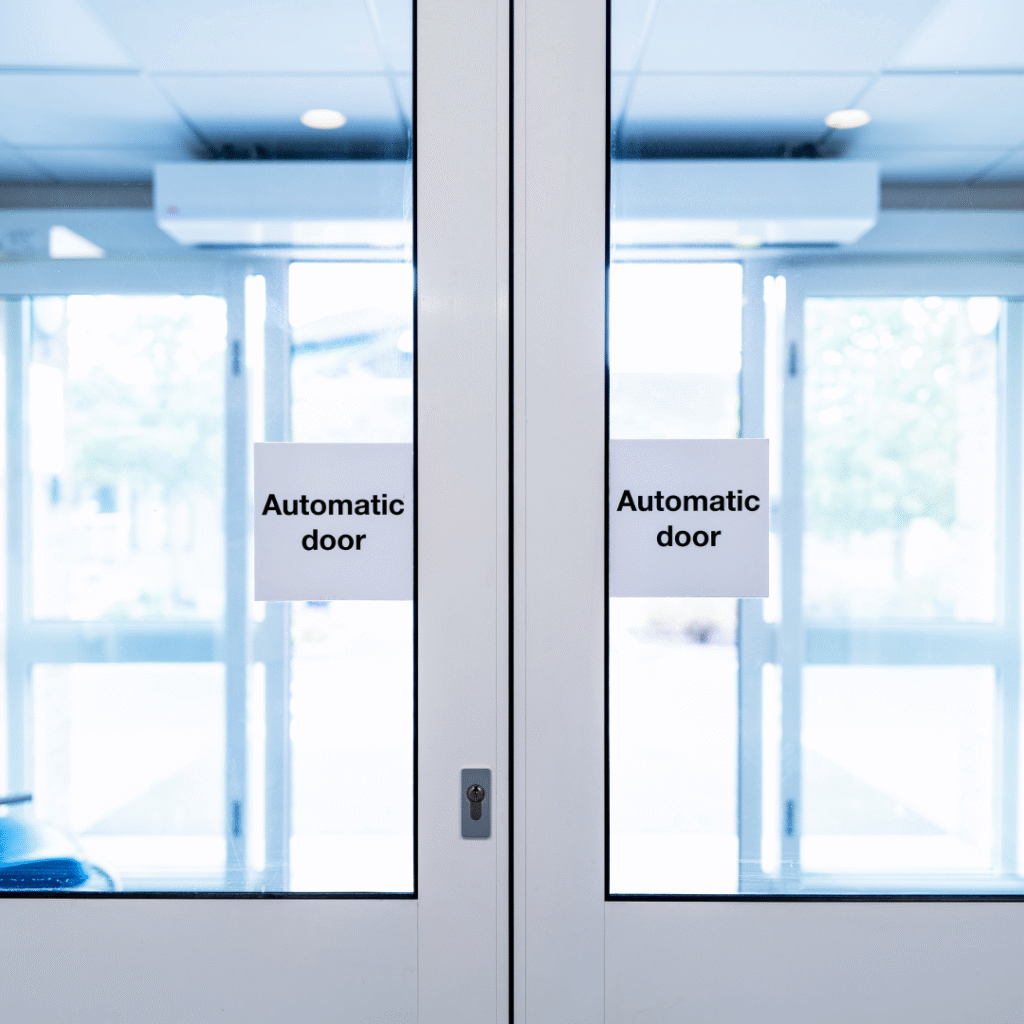
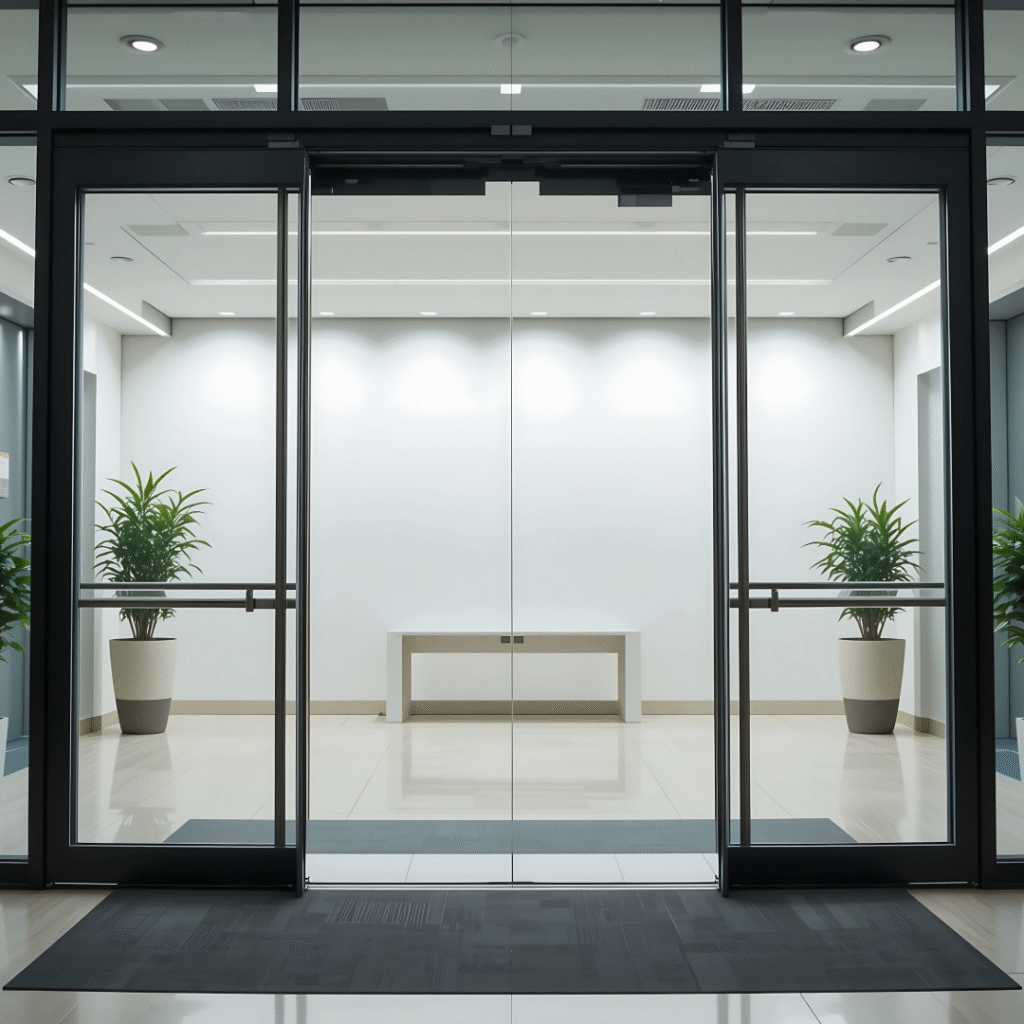
Automatic Doors with Smart Locking
Combine ease of access with security by integrating automatic doors with keycard entry, facial recognition, or timed control systems.
Roller Shutters and Sectional Overhead Doors
These doors offer high levels of security for warehouses, garages, and commercial units. They’re available in insulated versions for energy efficiency and can be fitted with anti-lift devices.
Perimeter Gates and Glazed Screens
Controlling access starts at the boundary. A secure gate system prevents unauthorised vehicles or foot traffic from ever reaching your door.
How to Know When It’s Time to Upgrade
If you’re unsure whether your current doors are providing sufficient protection, look out for the following signs:
Difficulty locking or opening doors properly
Visible signs of wear, rust, or sagging
Delays in shutter or automatic door response
Lack of integration with access control systems
Doors that haven’t been serviced or inspected in over 24 months
Remember, outdated doors don’t just compromise security—they could be failing to meet compliance regulations too.
Checklist: Strengthening Security at Your Site
To ensure your building is well protected, take these steps:
Conduct a full door and access point audit
Replace outdated or damaged doors with certified alternatives
Review fire exits to ensure they meet both safety and security needs
Integrate electronic locking and access management systems
Inspect perimeter security including gates and secondary entry points
Schedule regular maintenance to keep systems performing as intended
Conclusion
Securing your premises is about more than locks and alarms—it’s about making sure every point of access is robust, compliant, and suited to the demands of your building.
If your current doors are outdated, poorly maintained, or simply not built for commercial use, they may already be putting your business at risk. At B&B Doors, we offer a full range of secure door solutions tailored to commercial and industrial environments, and we can help you assess and upgrade your setup with confidence.
If you’re unsure about the condition or effectiveness of your existing door systems, speak to our expert team today.
We offer professional site surveys and tailored recommendations to help you protect your business from every angle.
Call us now to arrange a consultation.