


Fire safety is essential in both residential and commercial properties. Among the fire protection measures available, fire curtains and fire shutters stand out as critical components for containing and controlling fire spread. Though both serve to enhance fire safety, they possess distinct features, applications, and benefits. This blog explores the differences between fire curtains and fire shutters, helping you make an informed decision about which might be best suited for your needs.
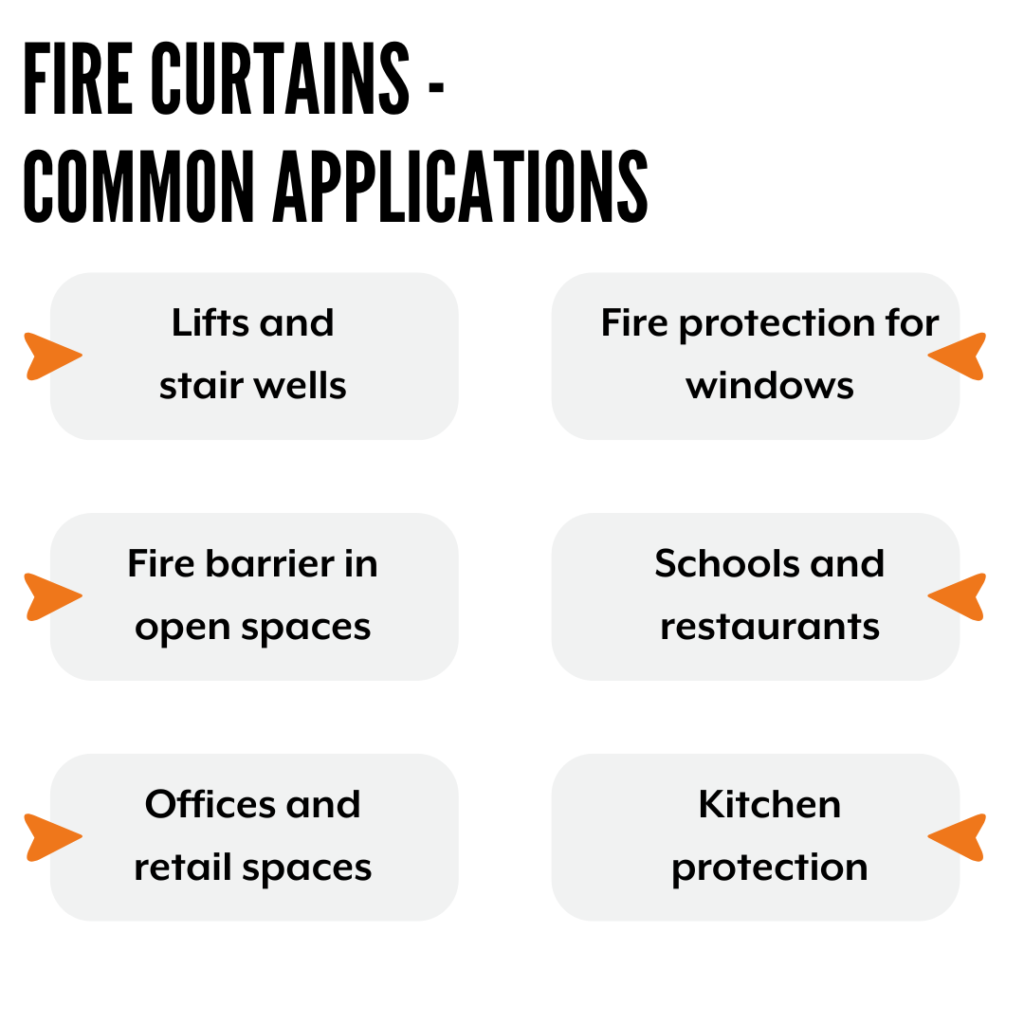
What Are Fire Curtains?
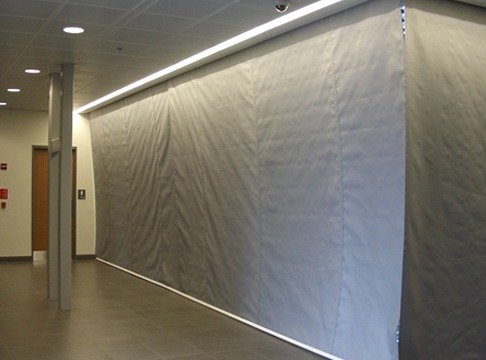
Fire curtains are fire protection systems designed to compartmentalise a building in the event of a fire. They drop from the ceiling and are typically made from fire-resistant fibreglass or other durable materials that can withstand high temperatures for extended periods. To watch an example of a Fire Curtain – Click HERE
Types of Fire Curtains
- Smoke Curtains: These are designed primarily to prevent the spread of smoke rather than flames. Smoke inhalation is a leading cause of fatalities in fires, making these curtains critical in maintaining a safe egress route.
- Heat Curtains: These are engineered to withstand high temperatures, thereby containing the fire and preventing its spread to other areas.
Installation and Operation
Fire curtains are generally concealed within the ceiling structure and deploy automatically when a fire is detected. This automatic deployment is triggered by a fire alarm system, allowing the curtains to descend and create a barrier.
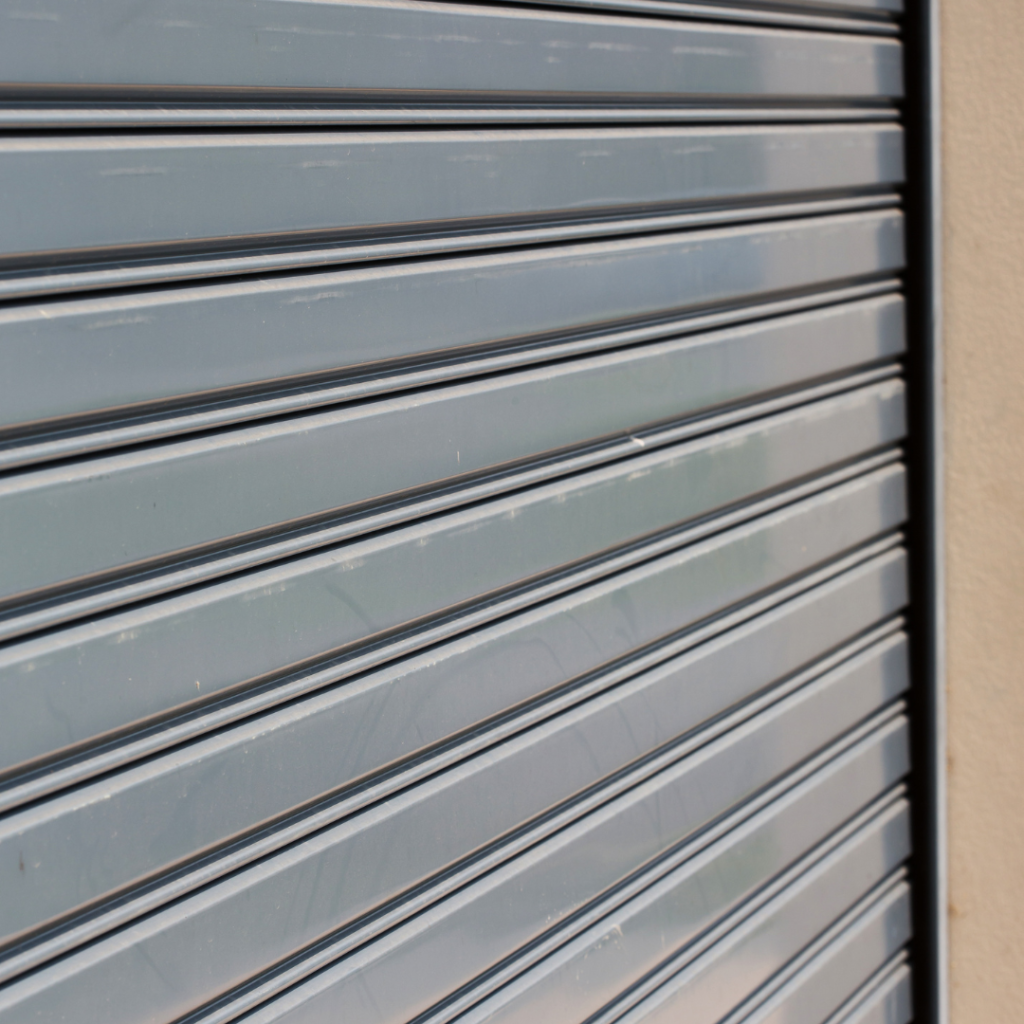
What Are Fire Shutters?
Fire shutters, on the other hand, are rigid fire protection systems, often made from steel or other metal alloys. They serve as a barrier to both flames and heat, effectively containing the fire within a designated area.
Types of Fire Shutters
- Vertical Fire Shutters: These are installed in an overhead coiling manner and are commonly used in industrial settings or to protect service counters in commercial establishments.
- Horizontal Fire Shutters: These operate side-to-side and are less common but useful in specific architectural designs where vertical deployment is not feasible.
Installation and Operation
Fire shutters are installed within walls or ceilings and, like fire curtains, are connected to a fire alarm system. Upon detection of fire, the shutters automatically roll down to form a secure barrier.
Key Differences Between Fire Curtains and Fire Shutters
Material and Construction
- Fire Curtains: Typically constructed from flexible, fire-resistant fabrics.
- Fire Shutters: Made from rigid materials such as steel, providing a solid barrier.
Application and Usage
- Fire Curtains: Ideal for open-plan areas, atriums, and places where aesthetic considerations are important.
- Fire Shutters: More suited for industrial environments, storage areas, and places requiring a robust barrier.
Space and Aesthetics
- Fire Curtains: Easily concealed and do not obstruct space when not deployed.
- Fire Shutters: Visible even when retracted and may require more installation space.
Benefits of Fire Curtains
Enhanced Aesthetics
One of the significant advantages of fire curtains is their ability to blend seamlessly into a building’s design. When retracted, they are virtually invisible, making them an excellent choice for modern architectural styles.
Flexibility
Fire curtains can be customised to fit various openings and can cover large spans without the need for intermediate supports. This flexibility makes them ideal for protecting large areas like atriums and open-plan offices.
Minimal Maintenance
Since fire curtains are made from fabric materials, they generally require less maintenance compared to metal. Regular inspections and testing are sufficient to ensure they remain in good working condition.
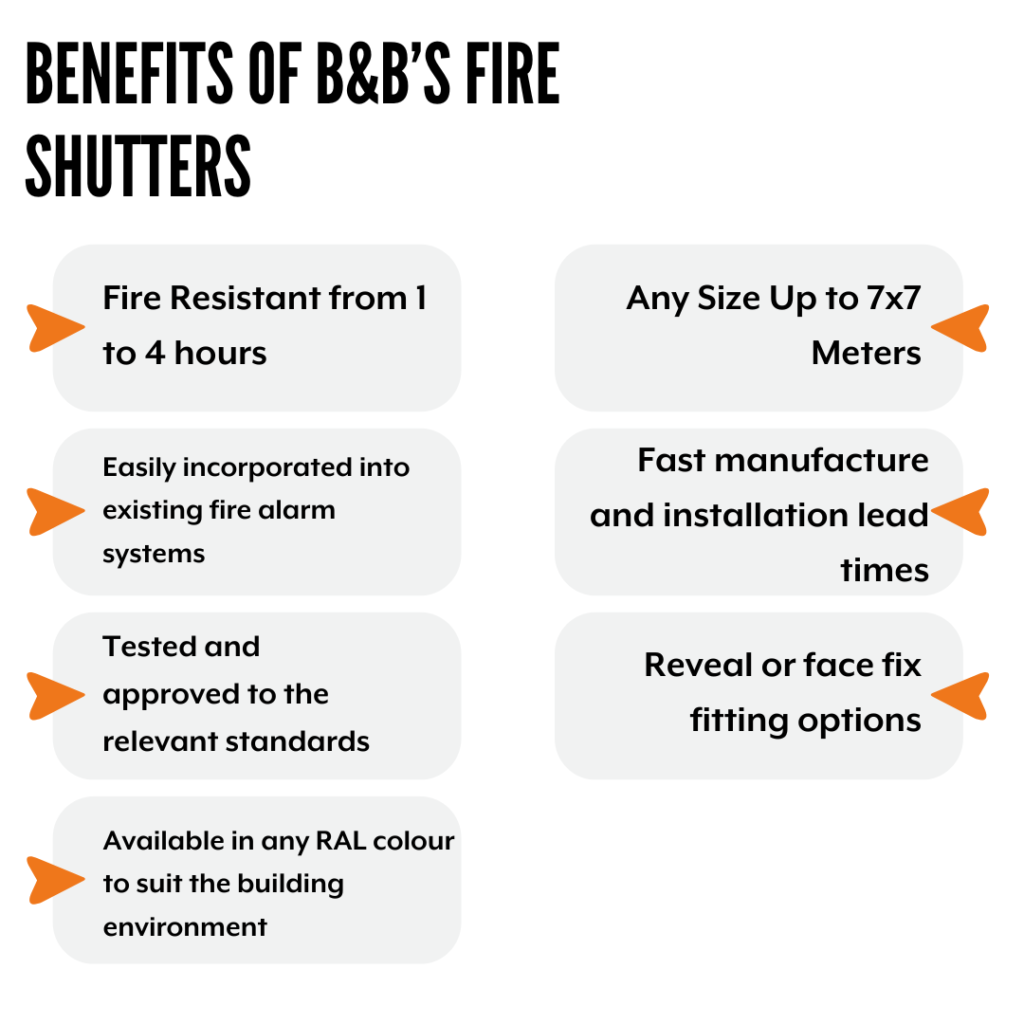
Benefits of Fire Shutters
Durability
Fire shutters are known for their robustness and long lifespan. Made from materials like steel, they can withstand harsh conditions and are less likely to be damaged during their operational lifespan.
Higher Fire Resistance Rating
Due to their rigid construction, fire shutters typically offer higher fire resistance ratings compared to fire curtains. This makes them suitable for environments where higher levels of fire protection are necessary.
Security
In addition to fire protection, fire shutters can also provide an added layer of security against unauthorised access, making them a dual-purpose solution for certain settings.
Choosing the Right Solution for Your Needs
Assessing the Environment
The choice between fire curtains and fire shutters largely depends on the specific environment and its requirements. For instance, in a commercial office with a high focus on aesthetics, fire curtains would be more suitable. Conversely, in an industrial warehouse, fire shutters might be the preferred option due to their durability and high fire resistance rating.
Compliance with Regulations
Both fire curtains and fire shutters must comply with local fire safety regulations. It is crucial to consult with fire safety experts and ensure that the chosen system meets the necessary standards and codes.
Cost Considerations
While both systems offer substantial benefits, cost can be a deciding factor. Generally, fire shutters tend to be more expensive due to their material and construction. However, the long-term maintenance costs might be lower for fire shutters compared to fire curtains.
Installation and Maintenance
Professional Installation
Both fire curtains and fire shutters require professional installation to ensure they function correctly in the event of a fire. Proper installation is critical for the effectiveness of these systems.
Regular Maintenance
Regular maintenance is essential for both fire curtains and fire shutters to ensure their reliability. Maintenance tasks include routine inspections, testing the deployment mechanisms, and checking for any wear or damage.
Conclusion
Fire curtains and fire shutters each have their unique advantages and are designed to meet different fire protection needs. Understanding their differences in terms of material, application, and benefits is crucial in making an informed decision. Whether you prioritise aesthetics, durability, or specific fire resistance levels, there is a fire protection solution that will suit your requirements.
Investing in the right fire safety measures not only ensures compliance with regulations but also enhances the safety and security of your property and its occupants. If you are unsure about which option to choose, consulting with fire safety professionals can provide valuable insights tailored to your specific situation.
Contact B&B Doors today to speak with our fire safety experts. We will help you assess your specific needs, ensure compliance with fire safety regulations, and find the perfect solution tailored to your environment. Don’t wait—take the first step towards enhanced fire protection and peace of mind.
Get in touch now to schedule your consultation!